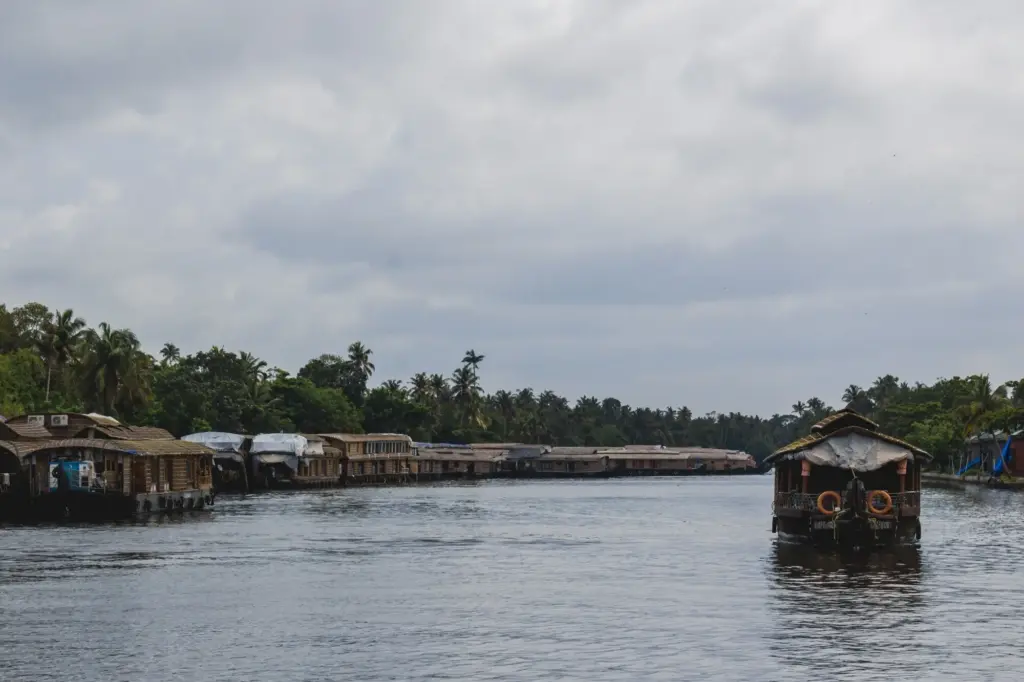
Iron, Water, and Stone: Exploring Canal Locks, Aqueducts, and Engine Houses
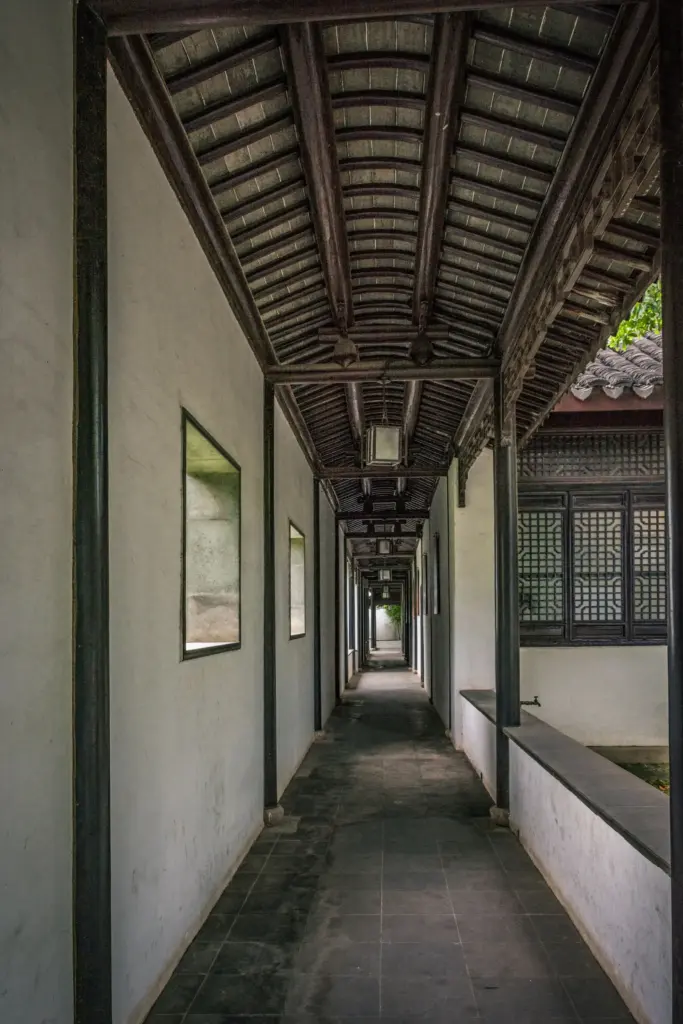
Join a vivid journey into industrial archaeology along historic canals, where ingenious locks lifted boats, audacious aqueducts strode across valleys, and tireless engine houses breathed life into thirsty summit pounds. We will explore engineering choices, field clues, working lives, and conservation challenges, inviting you to share observations, memories, and photos that help keep this shared heritage alive for future explorers and curious neighbors.

Where Water Climbs: Understanding Lock Systems

Locks appear simple until you read the masonry, timber scars, and silt that tell of centuries fighting currents and leaks. We will navigate gate geometry, paddle types, cills, and balance beams, revealing how archaeologists interpret repairs, tool marks, and waterlines to reconstruct operations, traffic intensity, and the craft of keepers who coaxed heavy gates through wind, frost, and impatient boatmen.

Bridging the Sky: Aqueducts and Their Silent Calculations
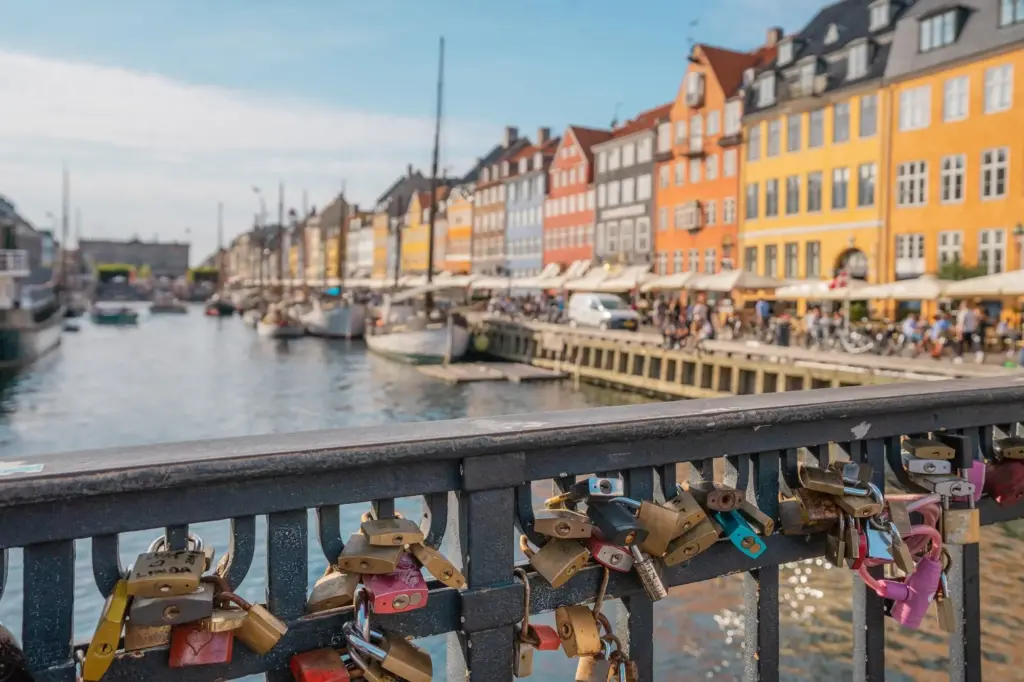
Aqueducts stride across valleys with serene confidence, yet every joint argues with gravity, frost, and thermal change. Masonry arches and iron troughs reveal decisions about weight, water sealing, and maintenance access. Through drone surveys, photogrammetry, and lime analysis, we uncover how designers balanced boldness and caution, crafting crossings that turned canals into landscapes of spectacle, commerce, and quiet, purposeful beauty flowing far above rushing rivers.

Powerhouses by the Cut: Engine Houses and Pumping Heritage

Beyond scenery, many canals relied on steam to feed thirsty summits and drive audacious machinery. Engine houses combine brick discipline with iron ambition: boilers, beams, chimneys, and condenser wells set within landscapes of coal staithes and ash pits. By decoding soot layers, firebrick types, pipe routes, and foundation bolting, we revisit nights when tenders coaxed pressure higher as gauges trembled and water slowly answered.

Beam Engines that Kept Summits Afloat

At places like Crofton, elegant Boulton and Watt beam engines lifted water tirelessly, their condenser glow and rhythmic motion reassuring communities through droughts. Archaeological traces—machinery seats, valve gear brackets, and worn stair treads—reveal routines, from oiling schedules to night coal deliveries by barge. Visitor memories and logbooks illuminate teamwork, strict firing discipline, and the proud silence that followed a perfectly timed stroke before dawn.

Inclined Planes and Experimental Lifts

Innovation flirted with gravity through steam‑hauled inclined planes and bold boat lifts that promised speed without long lock flights. Footings for winding engines, sheave pits, and cable guides betray these experiments. At Foxton, remnants of tracks and powerhouse foundations tell of ambition, cost anxieties, and logistics. Interpreting bolt patterns and wear scars reconstructs machinery alignments, revealing when hopeful prototypes met everyday mud, budgets, and skeptical carriers.

Decoding Engine House Fabric

Firebrick stamp series, cast‑iron column profiles, and plate maker’s marks frame a chronology of upgrades, from low‑pressure condensing systems to high‑efficiency boilers. Chimney rebuilds narrate draft improvements; patched flues disclose near‑misses and leaks. Paint archaeology on doors and beam stools uncovers safety codes and hierarchy. Share your photographs of plaques and gauges—together we map supply chains connecting foundries, brickworks, and canal depots across changing decades.

Tracing the Workforce: Stories of Navvies, Keepers, and Engineers
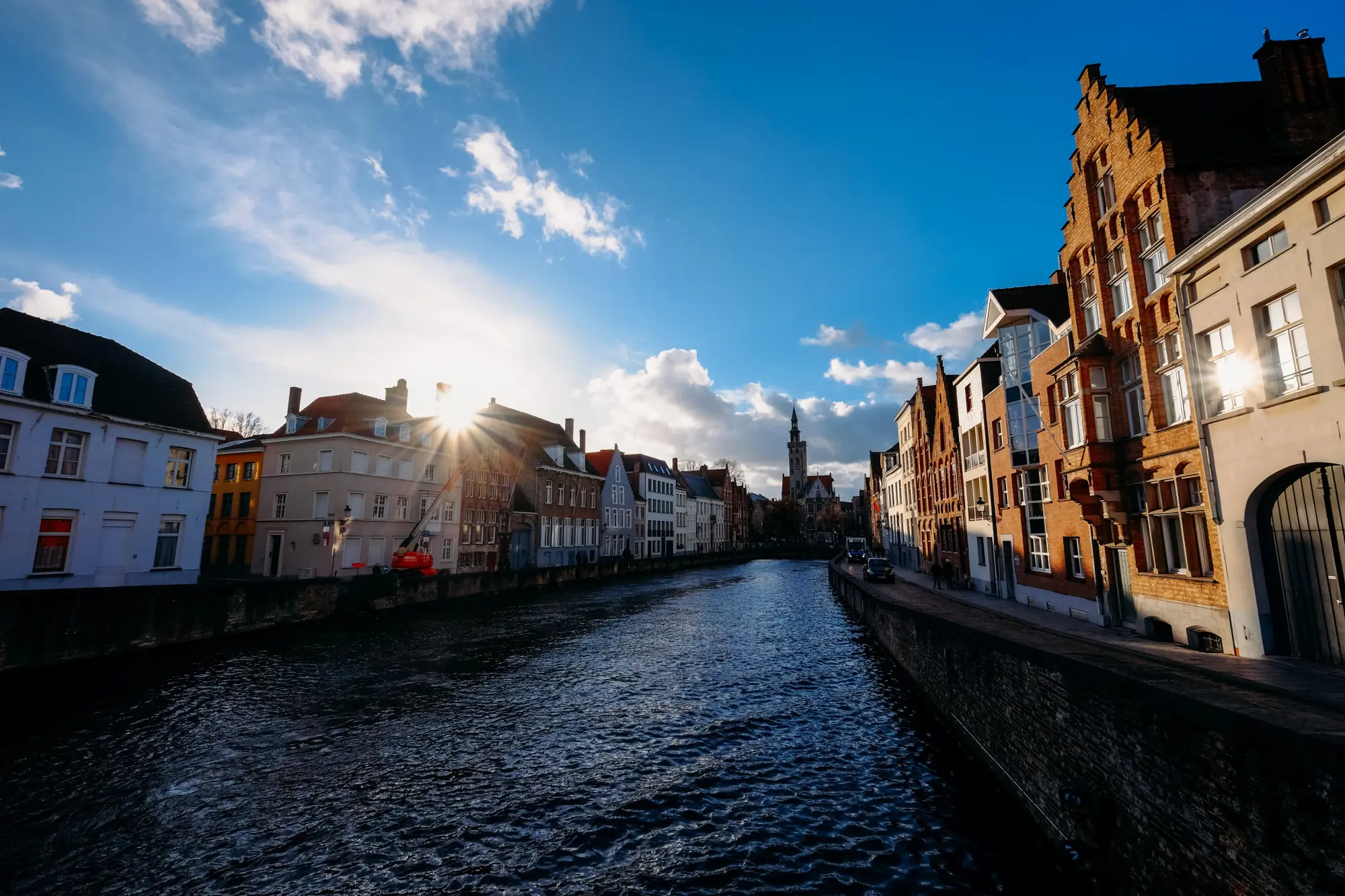
Canal landscapes are also biographies. Diaries, toll records, and cottage gardens outline lives bound to water levels and schedules. Lock keepers mastered patience and persuasion; navvies carved cuttings through rain and rock; engineers negotiated investors and floods. By weaving personal testimonies with field evidence, we restore names, routines, and laughter to places now visited for quiet walks and ripples glittering under evening skies.

Archival Sleuthing and Map Regression

Tithe maps, estate plans, and early Ordnance sheets reveal courses, feeders, and property lines. Minutes and engineer reports explain costs, accidents, and experimental fittings. Comparing successive editions exposes diversions, widened pounds, and new stop locks. Annotated photocopies, shared digitally, let volunteers highlight culverts, weirs, and ramped wharf edges, building collaborative evidence that dovetails with photographs, GPS traces, and field sketches pinned proudly above kettle and boots.

Subsurface Clues and Environmental Data

Beneath tranquil towpaths lie stories held by silt. Cores recover pollen, industrial soot, and corrosion products that pinpoint eras of traffic and repair. Portable X‑ray fluorescence helps characterize alloys and paints without damage. Grain size shifts betray dredging campaigns; charcoals hint at fires. With permissions, careful sampling aligns science with stewardship, ensuring questions are tested respectfully while leaving structures, wildlife, and serene canal mornings undisturbed.

Interpreting Maker’s Marks and Numbers

Foundry stamps, casting numbers, and contractor plaques create a breadcrumb trail across counties. Gate straps might echo a distant ironworks; hinge pintles repeat standardized patterns through decades. Recording these clues with clear photographs and rubbings allows dating sequences and sourcing replacements. Share discoveries with local archives or heritage groups so scattered fragments unite, turning solitary inscriptions into mapped constellations of makers, merchants, and persistent, ingenious problem‑solvers.

Caring for the Remains: Conservation, Access, and Community

Preserving canal heritage balances stability and spirit. Lime‑based repairs breathe; reversible fixes respect future research; unobtrusive signage invites learning without cluttering vistas. Ramps, lighting, and careful planting welcome everyone while protecting habitats. Community walks, school projects, and oral‑history days weave guardianship into everyday life. Subscribe, comment, and share local findings so maintenance priorities reflect lived connections, not only spreadsheets and distant policy ambitions.

Stabilizing Structures Without Silencing Stories

Good conservation strengthens fabric yet honors patina. Engineers design discreet anchors; masons stitch cracks with compatible mortar; ecologists safeguard roosts and towpath edges. Interpretive panels can highlight tool marks and phased construction rather than glossy after‑shots. By pairing condition surveys with narrative mapping, we keep romance and rigor together, ensuring future visitors feel both technical achievement and the unhurried dignity of working waterway landscapes.

Designing Paths, Signs, and Digital Guides

Access can be inviting and informed. Clear gradients, textured surfaces, benches, and railings transform heritage into welcoming routines. QR‑enabled guides layer maps, archival photos, and oral clips without overwhelming scenery. Volunteers can test prototypes, noting confusing junctions or glare. Share feedback in comments so iterative updates reach families, cyclists, and wheelchair users alike, turning accurate wayfinding into shared confidence and slow, appreciative exploration beside calm water.

Join the Journey

Help document locks, aqueducts, and engine houses near you. Post observations, upload photos of maker’s marks, and add memories about winter stoppages or family walks. Subscribe for new field checklists and story prompts. Your contributions shape priorities, inspire protective funding, and ensure this intricate partnership of iron, water, and stone remains legible, loved, and wonderfully useful for classes, neighbors, and wandering minds seeking purposeful calm.
Sirazorikentolumadaxi
Privacy Overview

This website uses cookies so that we can provide you with the best user experience possible. Cookie information is stored in your browser and performs functions such as recognising you when you return to our website and helping our team to understand which sections of the website you find most interesting and useful.